Redefining charter flow

Charter service

Charter service

Trip.com is the biggest online travel agency in Asia with 400 million+ users.
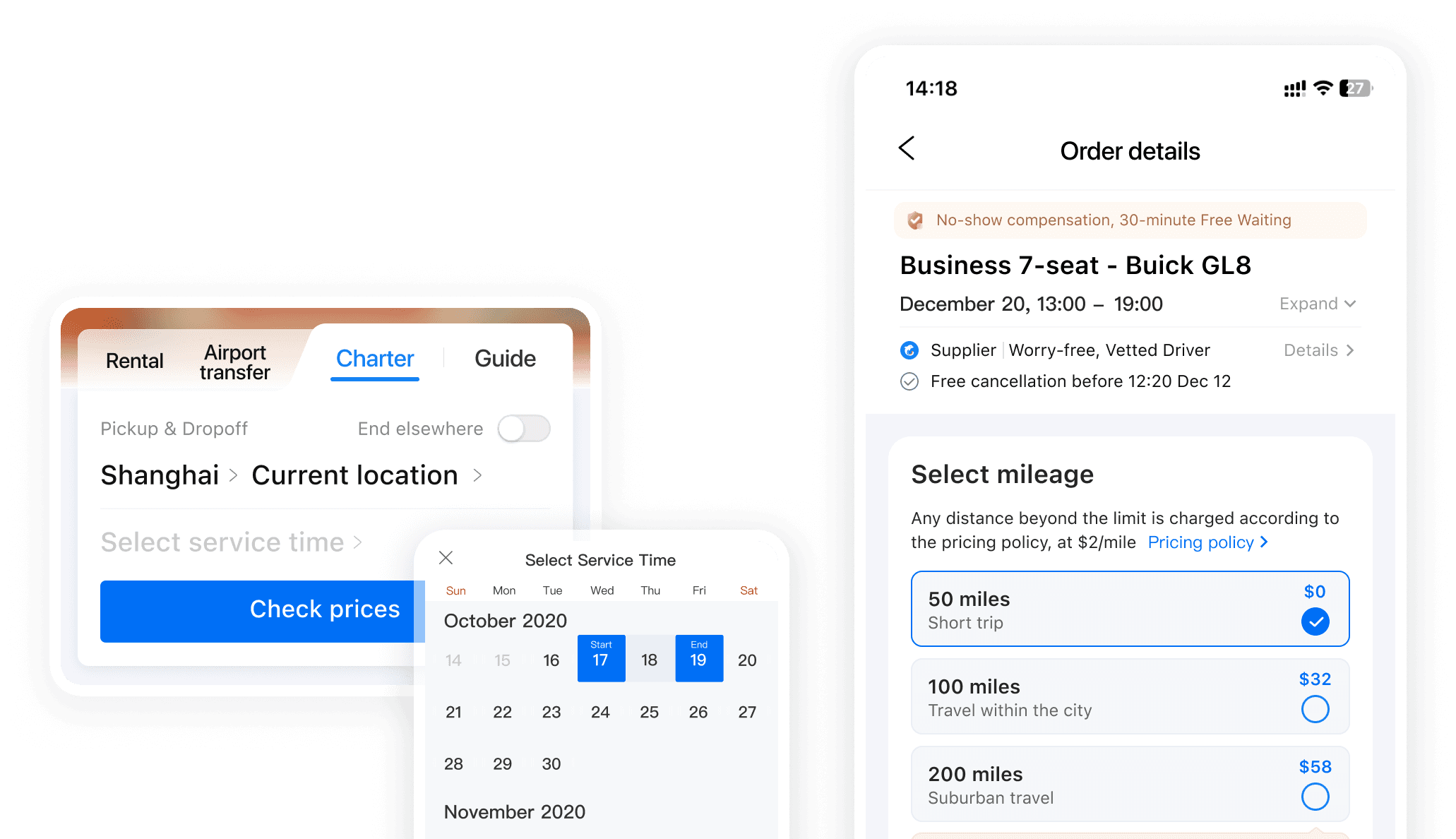
Typical user
Chinese 31-55 years Middle class
Scenario
Reserve charter service for travel or business
Goal
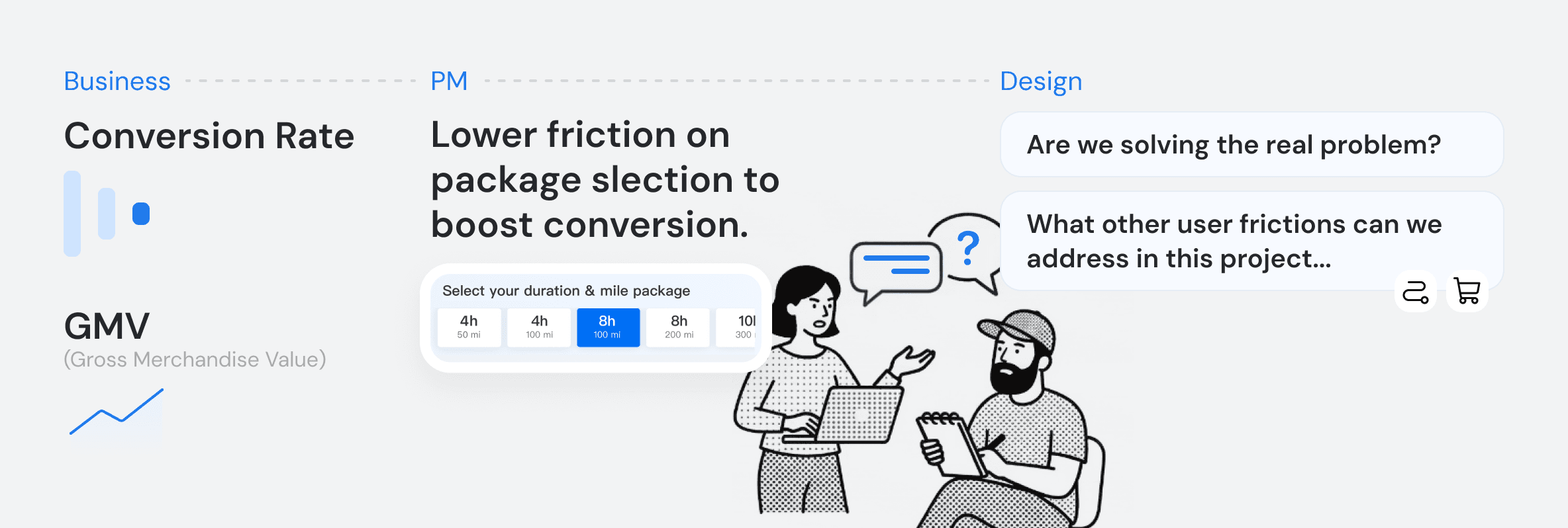
Increase order conversion rate
My role
Product design
Team
PM Frontend Dev Backend Dev
Timeline
2 months
Redefining charter flow

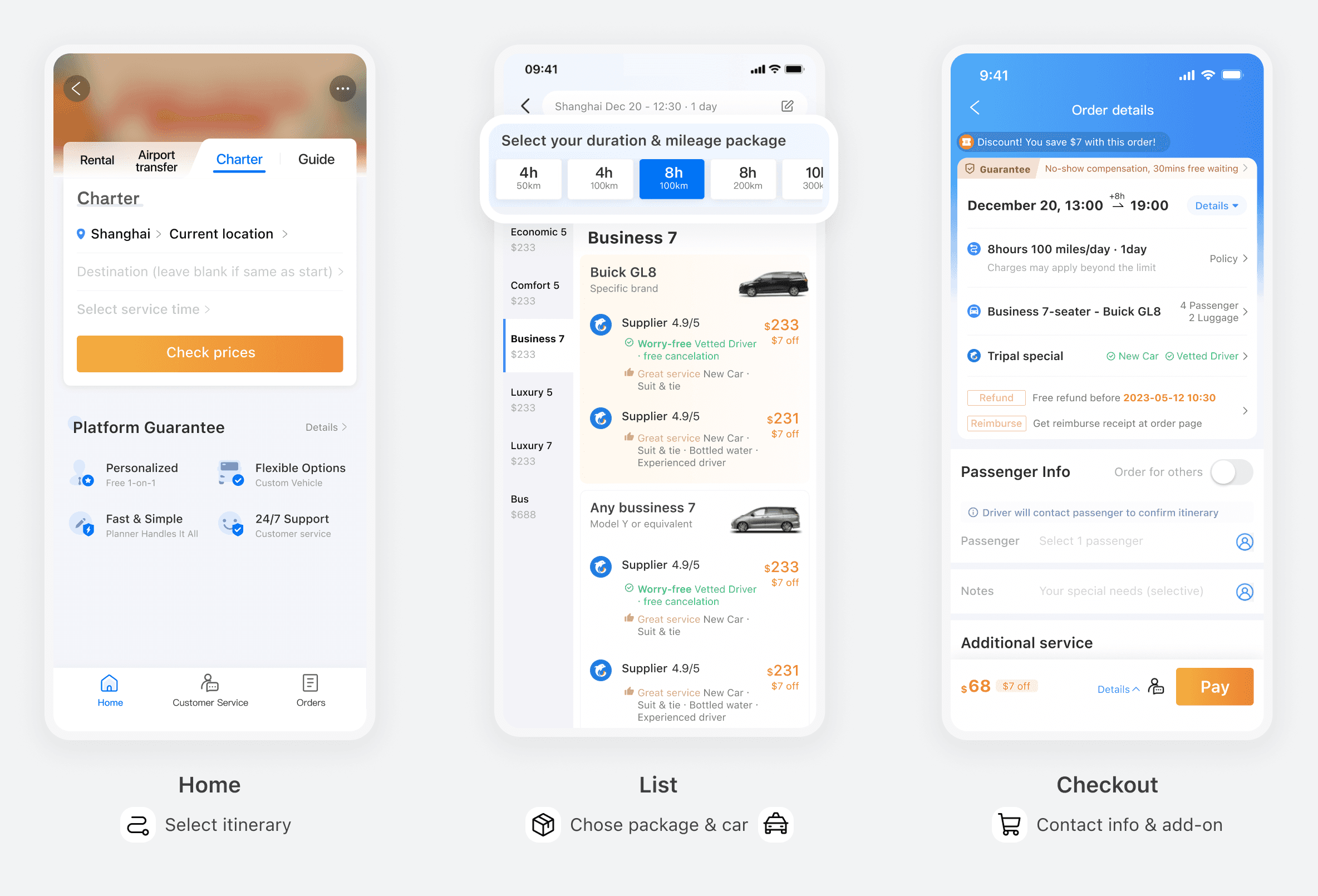
What is charter service?

Rent a car and a driver for your trip.
Choose your time and mileage. Pay extra for overages.
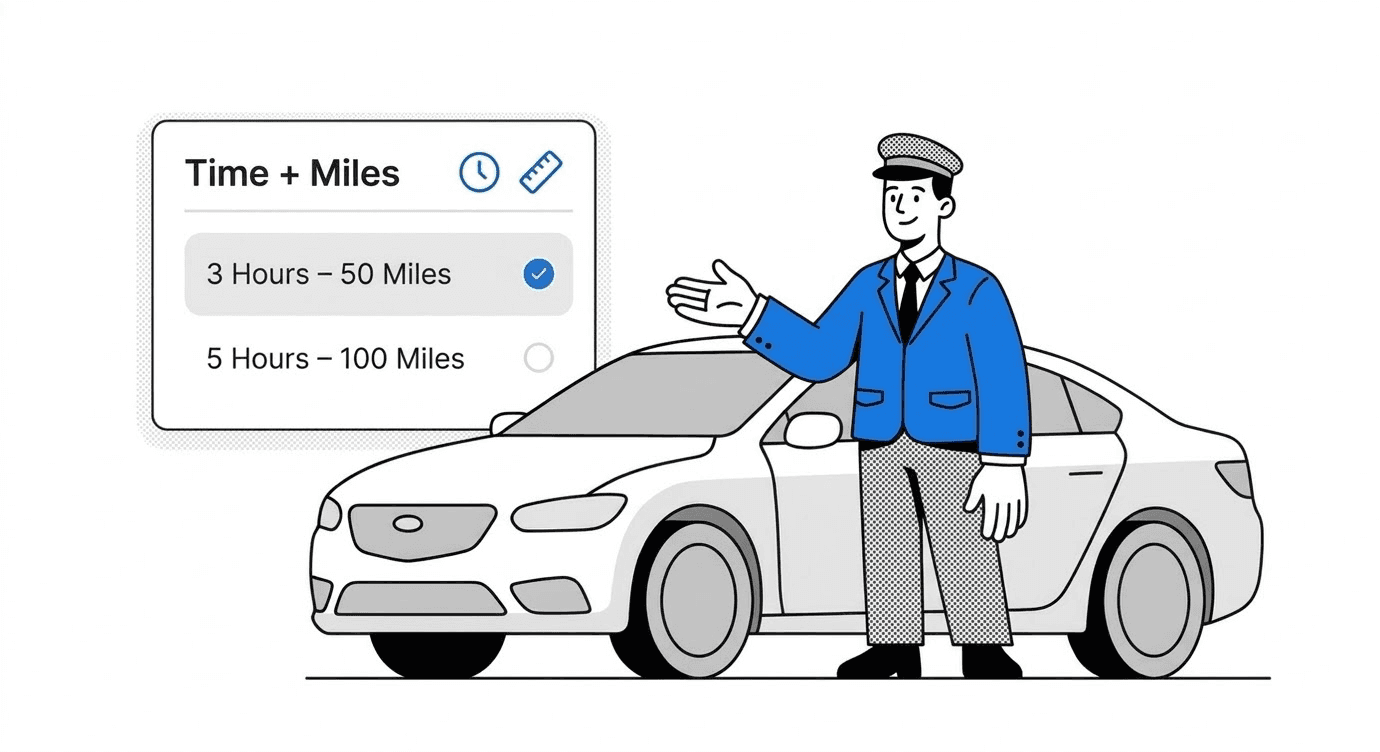
What is charter service?

The status quo

The status quo

Aligning goals

Aligning goals

Hypothesis

Users having a hard time selecting package?

Define challenge with data & research
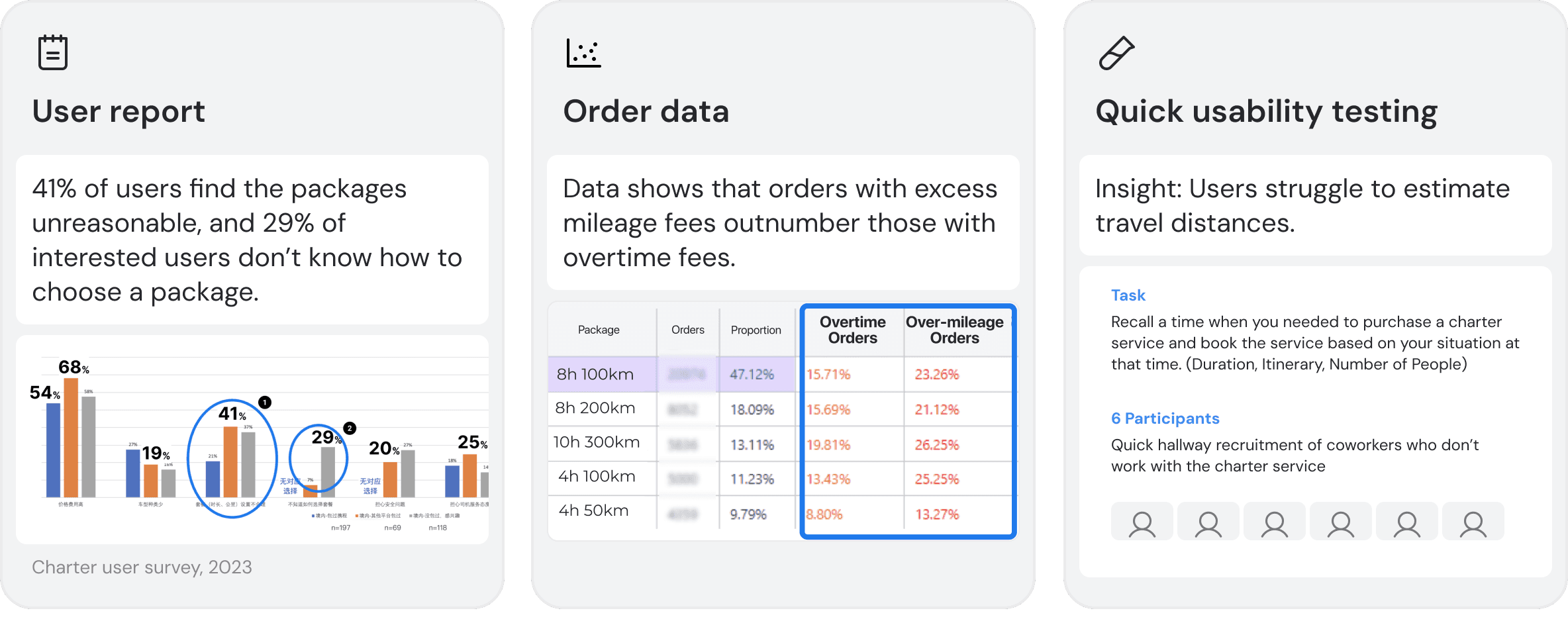
Users having a hard time selecting package?

Reframing the challenge

The issue isn’t just the package, it’s deciding on the miles.

Warning Guidance

When buying actually saves users’ money

What happens if I exceed the limit?

Use scenarios to help user choose

Separate package to reduce cognitive load

Leverage scenarios to reduce learning cost

Leverage scenarios to reduce learning cost — 1
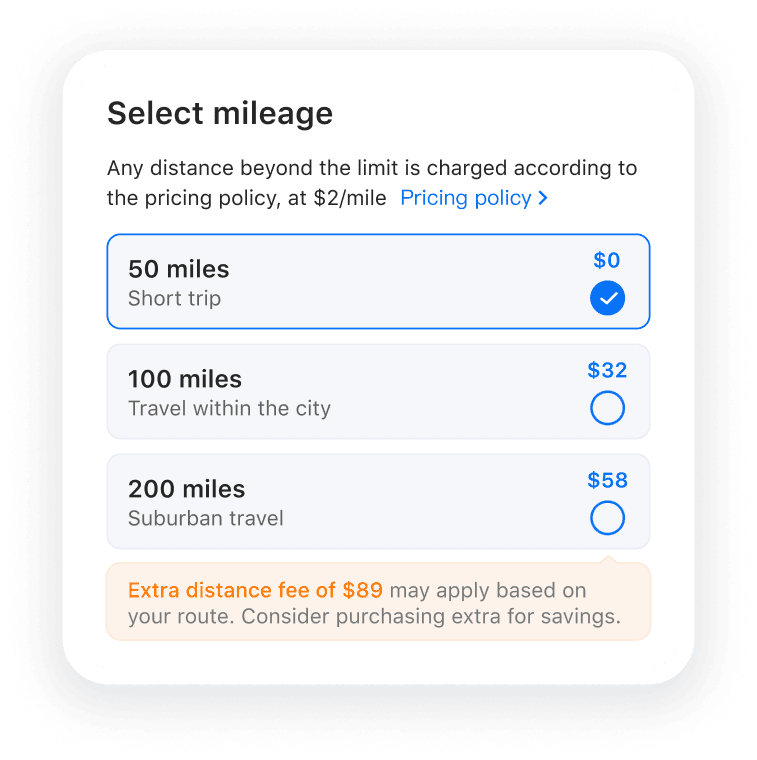
Leverage scenarios to reduce learning cost — 2

Impacts

Order conversion rate

11.3%

GMV

4.88%

Prices dropped as users chose shorter times to match their true needs

Challenge 2

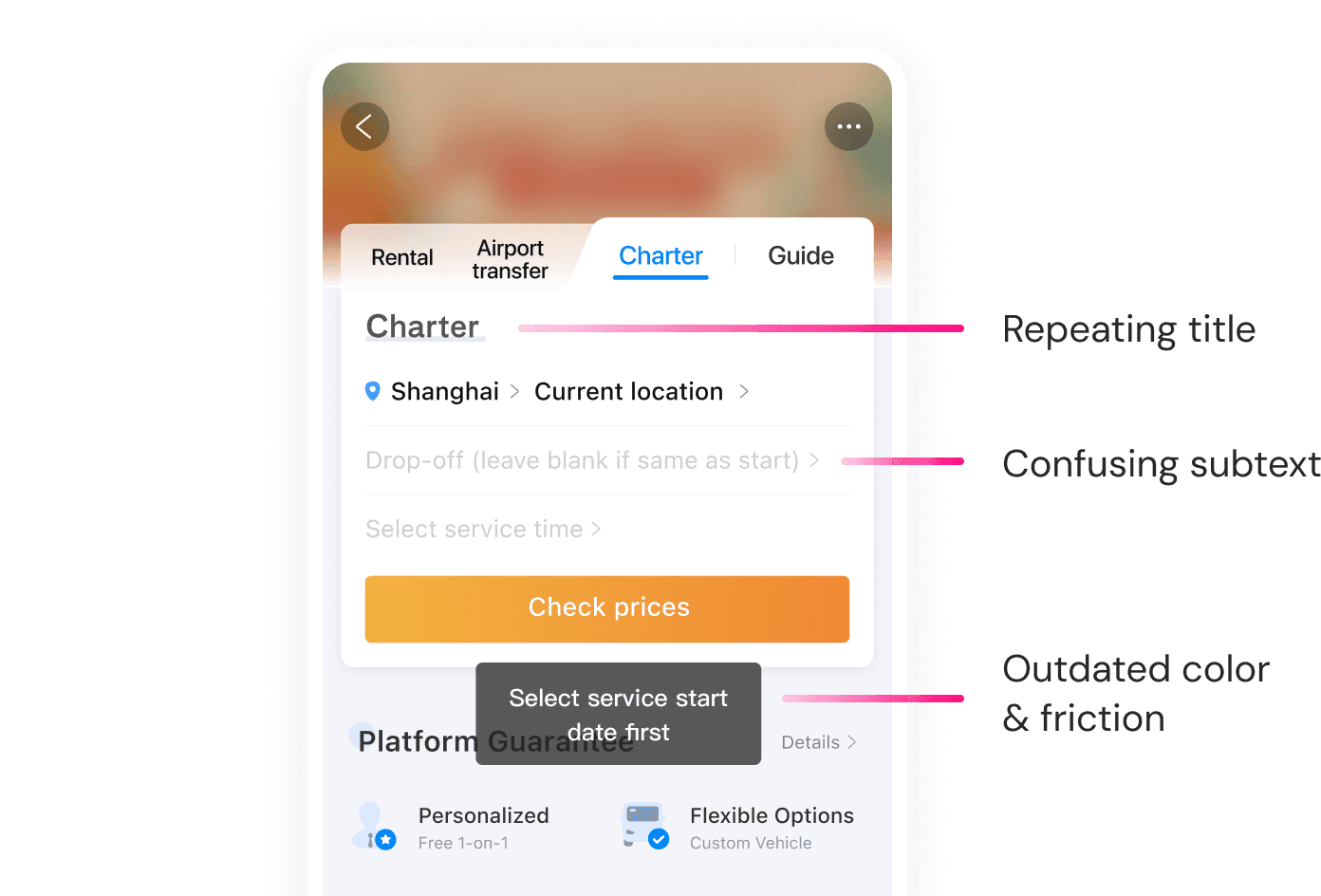
Confusion and Frictions

New users want to check products ASAP Usability testing revealed that users often rush to the list page to understand the service, sometimes entering a fake destination just to get there quickly.
Confusion and frictions

Design approach

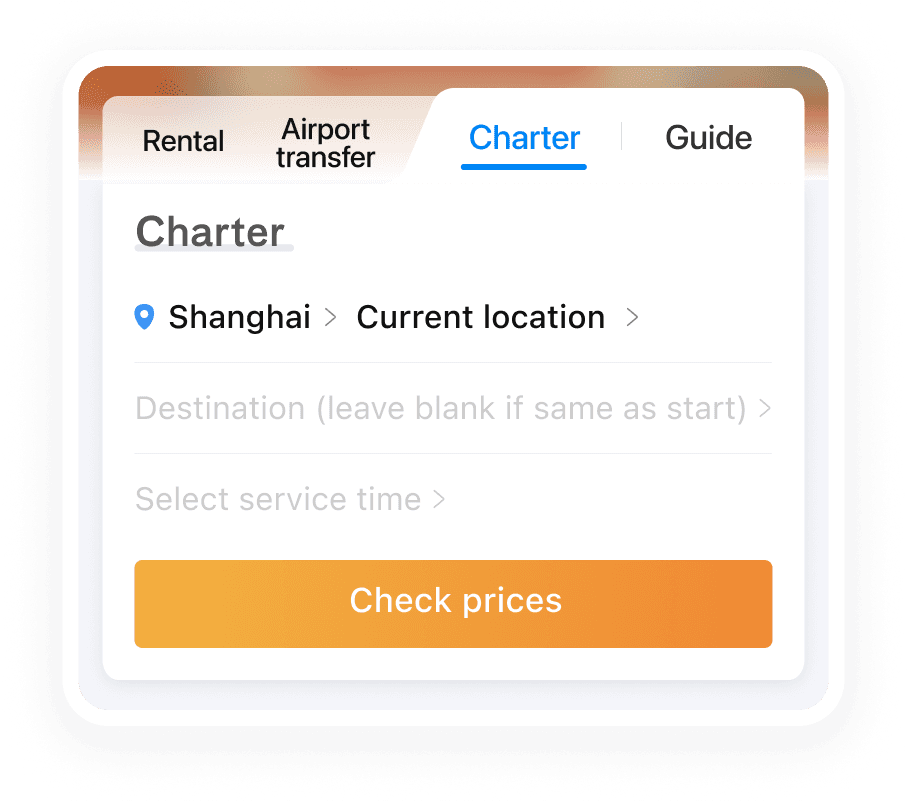
Shorter flow for prices

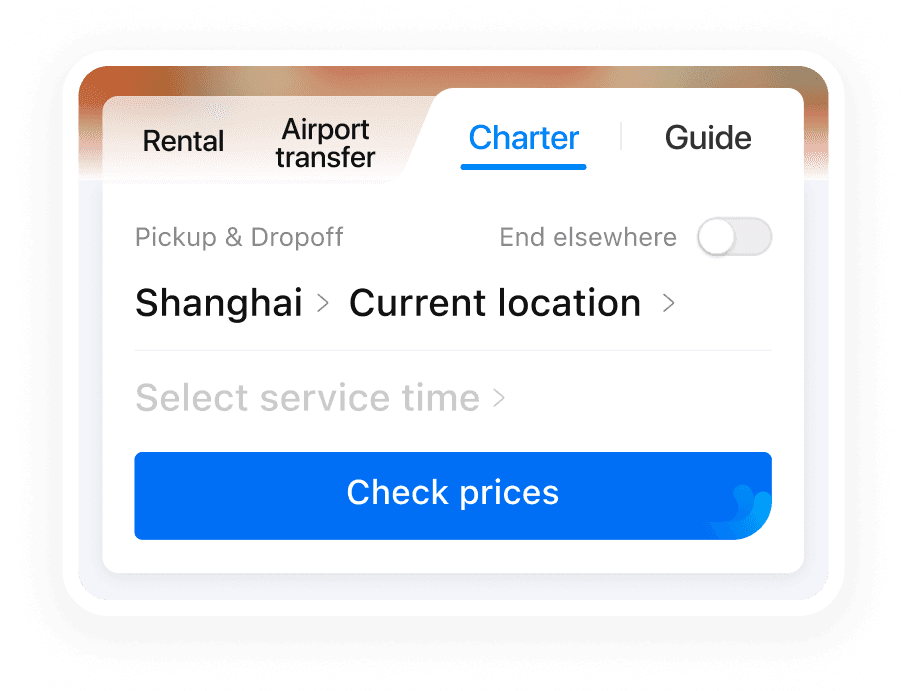
Reduce visual noise and confusion by replacing destination with a switch; When no fields are filled, clicking "check prices" should directly trigger a pop-up.

Before

Data behind this decision: over 65% users don’t ever enter a destination

*

After
Shorter flow for prices — 1
Shorter flow for prices — 2
Shorter flow for prices — 3

Impacts 2

Order conversion rate

13.9%

Impacts

Challenge 3

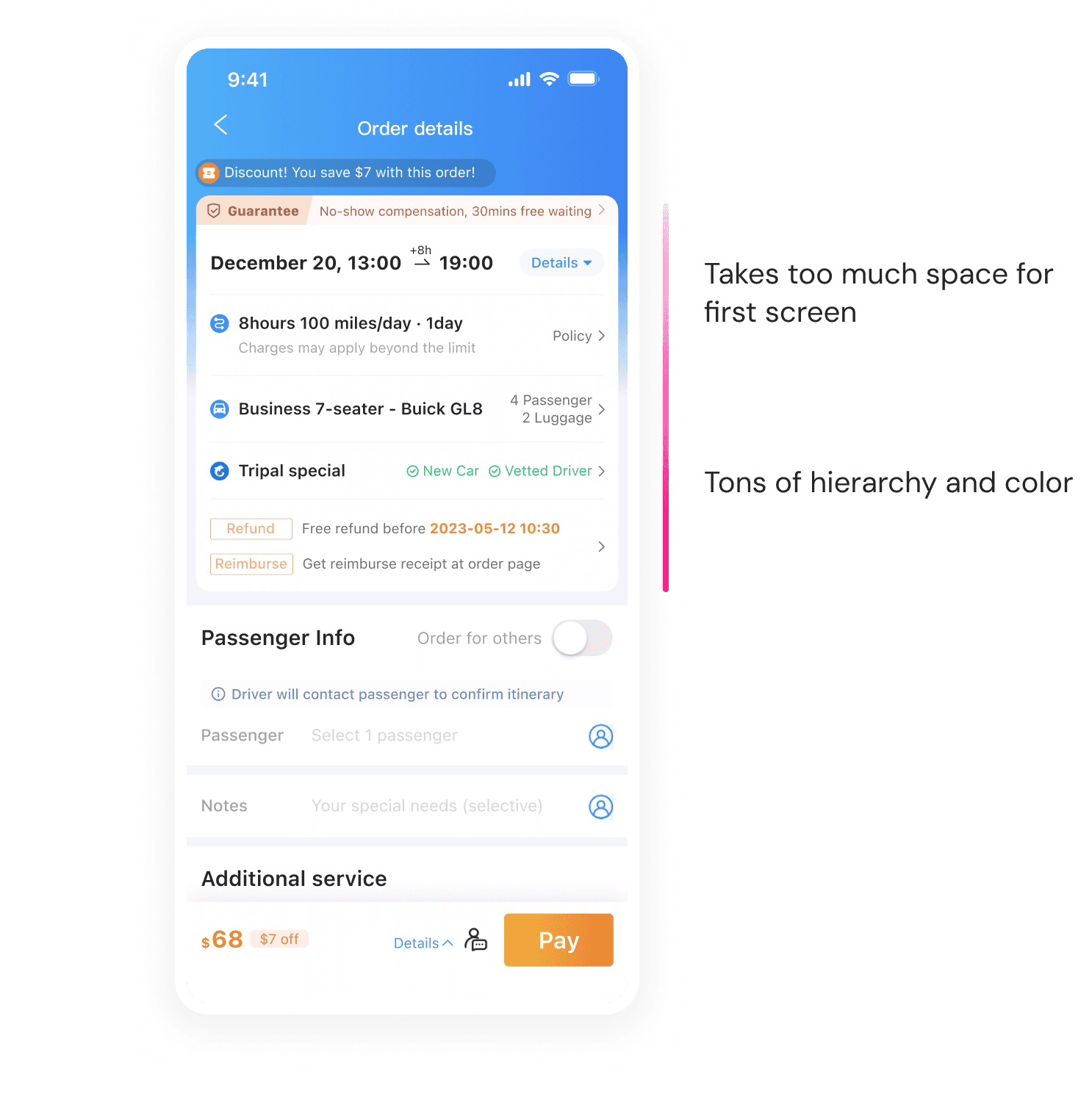
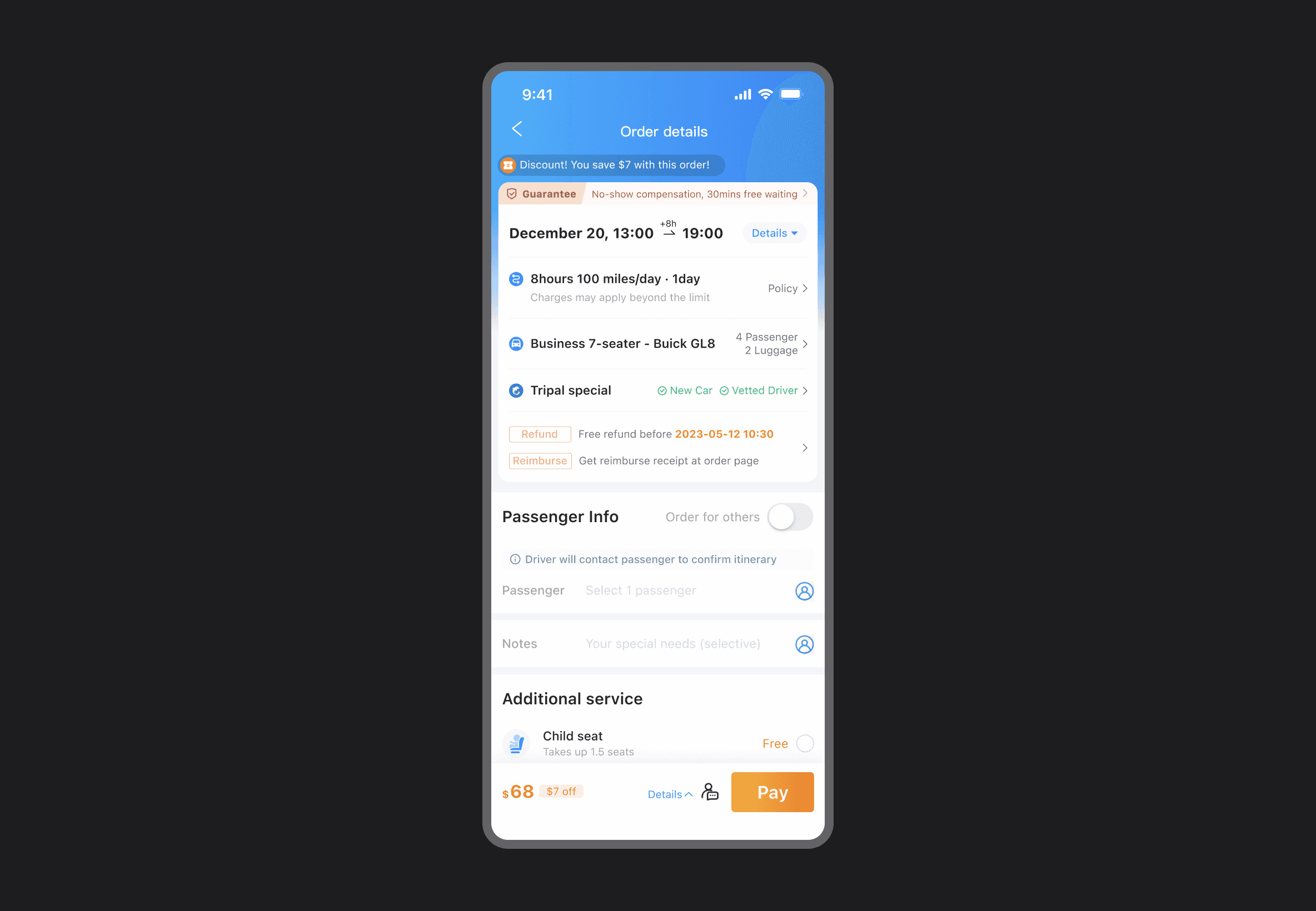
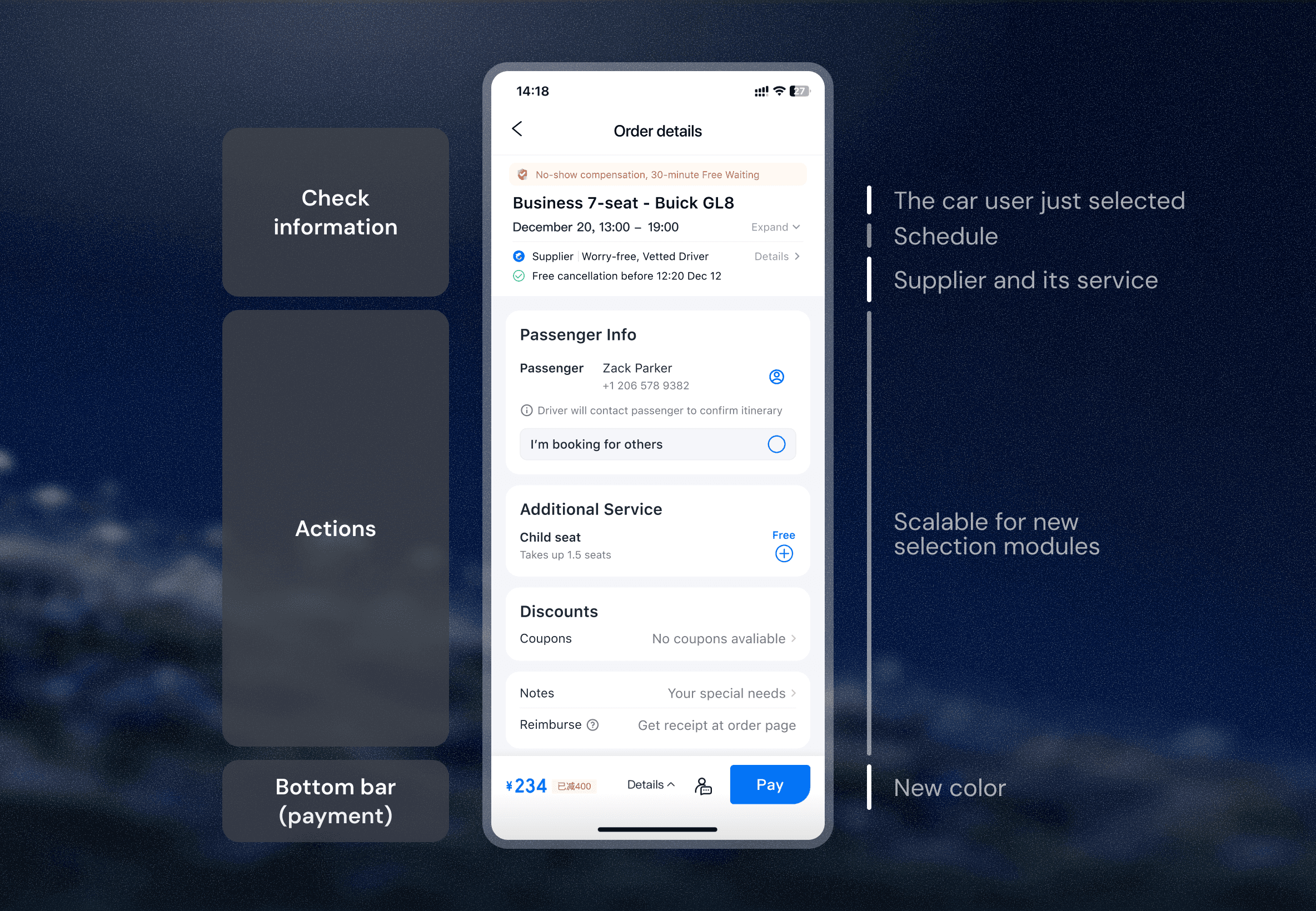
Information chaos

Information chaos

Design approach 2

Reorganize Info & Reduce visual noise
Reorganize info & reduce visual noise — 1
Reorganize info & reduce visual noise — 2

Impacts 3

Order conversion rate

3.5%

Impacts

Overview

Order conversion rate

31.9%

*overall CR is multiplied Made miles easier to choose +11.3% Reduced confusion +13.9% Decreased visual noise +3.5%

Reflections

01

Escalation can be a constructive way to break a deadlock. After repeated requirement shifts, we hit a point where a “quick fix” would push complexity onto users (e.g., negative pricing), so I escalated to reset alignment on user impact and decision principles.

02

Upfront scoping prevents downstream rework. The real blocker wasn’t execution—it was an under-defined scope that kept changing late in the process.

Reframing the challenge

The issue isn’t just the package,it’s deciding on the miles.

Separate package to reduce cognitive load

Leverage scenarios to reduce learning cost

Scenario guidanceScenario guidance detail
What happens if I exceed the limit?
Use scenarios to help user choose
Warning Guidance
When buying actually saves users’ money

Impacts

Order conversion rate

11.3%

GMV

4.88%

Prices dropped as users chose shorter times to match their true needs

Challenge 2

Confusion and Frictions

Confusion and frictions

New users want to check products ASAPUsability testing revealed that users often rush to the list page to understand the service, sometimes entering a fake destination just to get there quickly.

Design approach

Shorter flow for prices

Reduce visual noise and confusion by replacing destination with a switch; When no fields are filled, clicking "check prices" should directly trigger a pop-up.

Before — charter price flowCharter price flow decisionAfter — charter price flow
Before
After

Data behind this decision: over 65% users don’t ever enter a destination

Impacts

Order conversion rate

13.9%

Challenge 3

Information chaos

Information chaos

Design approach

Reorganize Info & Reduce visual noise
Before information designAfter information design

Impacts

Order conversion rate

3.5%

Overview

Order conversion rate

31.9%

*overall CR is multipliedMade miles easier to choose +11.3%
Reduced confusion +13.9%
Decreased visual noise +3.5%

Reflections

  1. 01

    Escalation can be a constructive way to break a deadlock. After repeated requirement shifts, we hit a point where a “quick fix” would push complexity onto users (e.g., negative pricing), so I escalated to reset alignment on user impact and decision principles.

  2. 02

    Upfront scoping prevents downstream rework. The real blocker wasn’t execution—it was an under-defined scope that kept changing late in the process.